
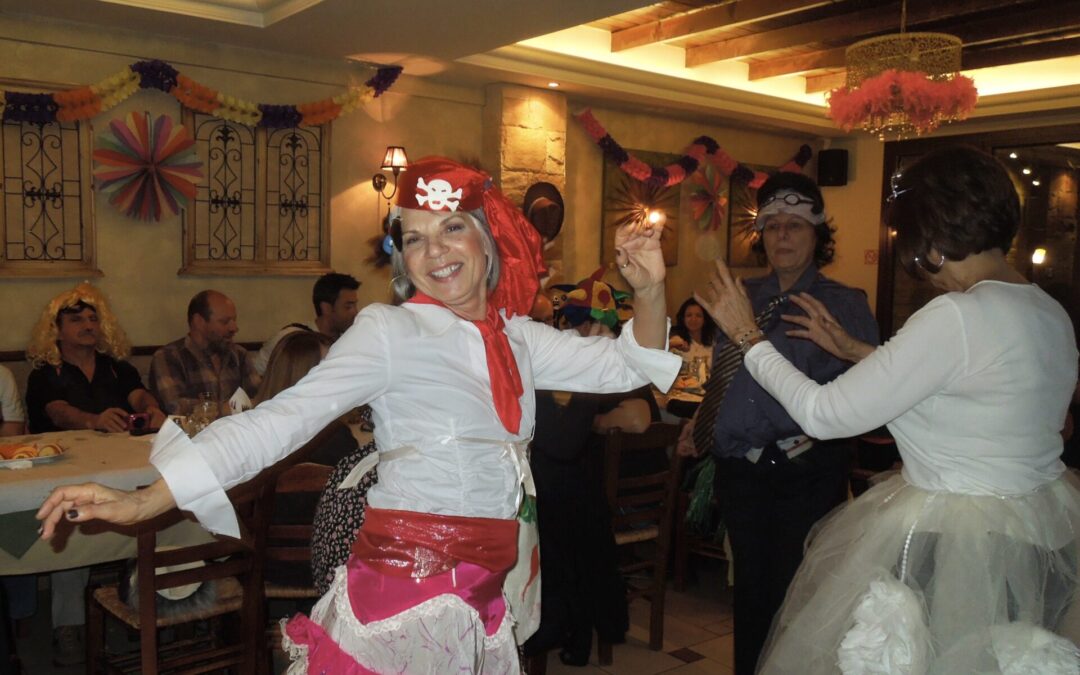
Greek Carnavali traditions: Apokries, and memories before Lent
In the United States, the first February holiday that comes to mind is usually Valentine’s Day. Yet our calendars also mark Black History Month, Chinese New Year, Presidents’ Day, the beginning of Lent for Christians, and more. It’s a month that holds many meanings for many people.
Although Valentine’s Day is celebrated in Greece as well, this year Greeks—both in Greece and throughout the Greek diaspora—are immersed in Apokries, the festive season leading up to Lent. The word Apokries means “avoiding meat,” but before that time of abstinence begins, almost the entire month is devoted to celebration. As I wrote in a previous February blog post, I have especially fond memories of Carnavali, the Greek version of Mardi Gras.
Tsiknopempti, or “Smoky Thursday,” marks the official kickoff of Carnavali. I can still picture walking past restaurants and through neighborhoods where the mouthwatering aroma of grilled meats filled the air. The scent alone was enough to make my friends and me quicken our steps toward wherever we were headed. When my sister Lena and I approached Poppi’s house and saw smoke rising toward the sky, we could practically taste the sausages, pork, and lamb chops being prepared for our arrival.
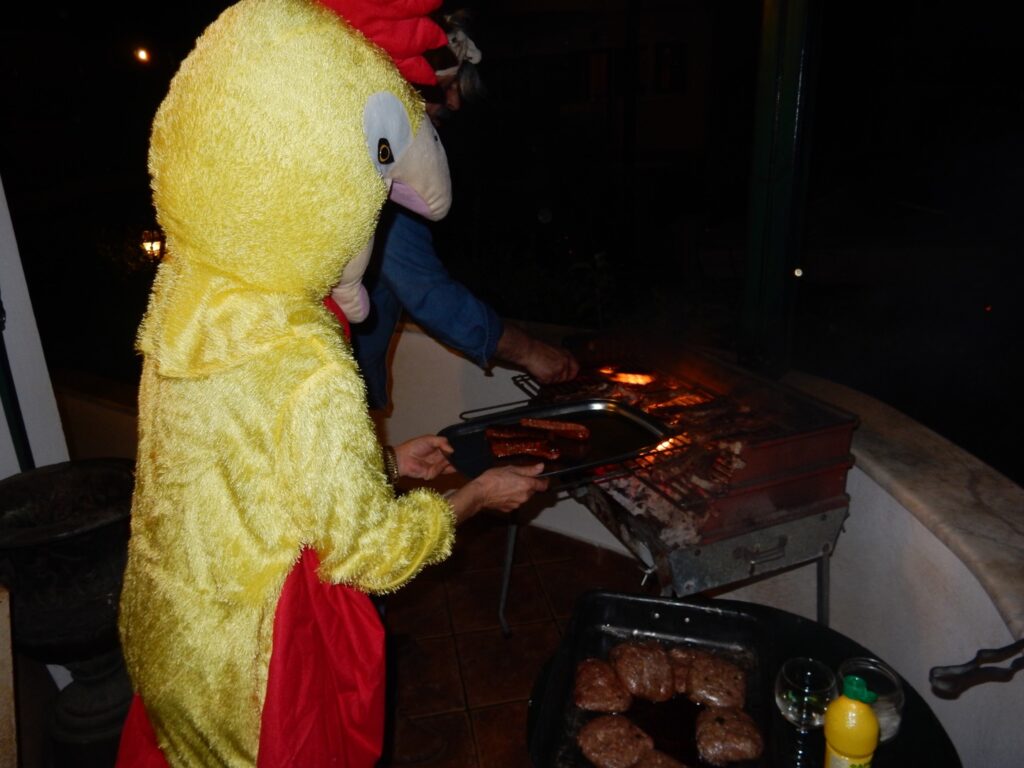
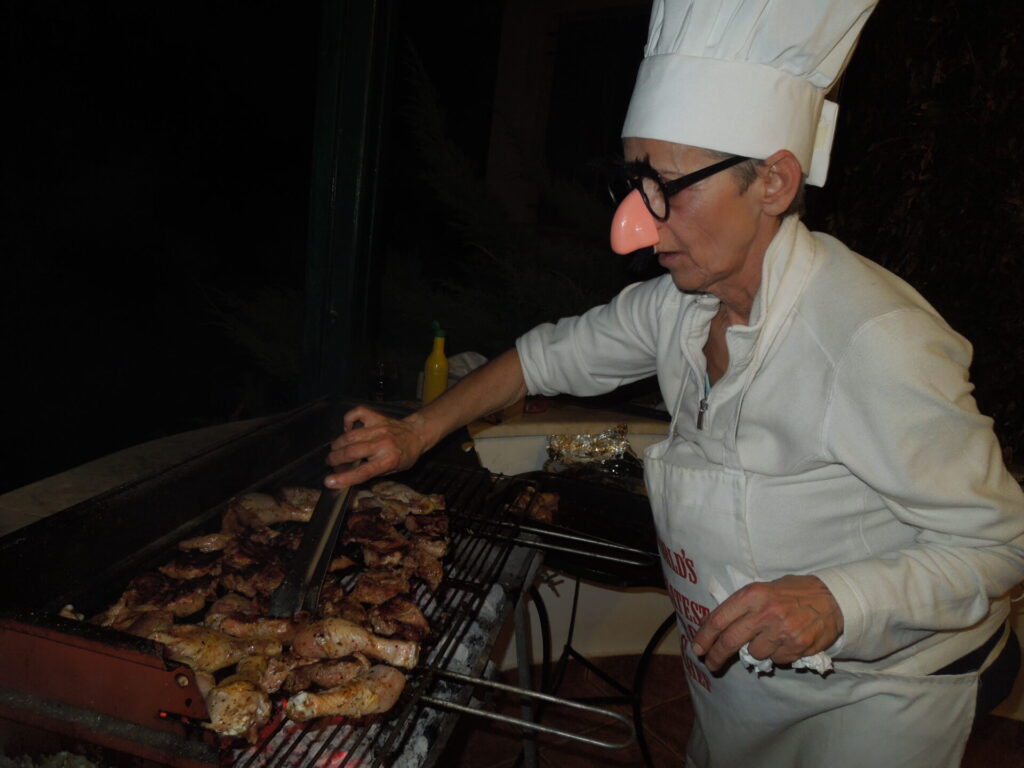 Once inside, we admired one another’s costumes and laughed at the creativity on display. The evening unfolded with platters of mixed grilled meats, roasted lemon potatoes, fried potatoes, and greens whose names I no longer remember—after all, the focus was on the smoky meats. When we finished our feast, we headed downtown to join other fun-loving revelers in disguise. Part of the fun was studying each costume and trying to guess who was behind the masks.
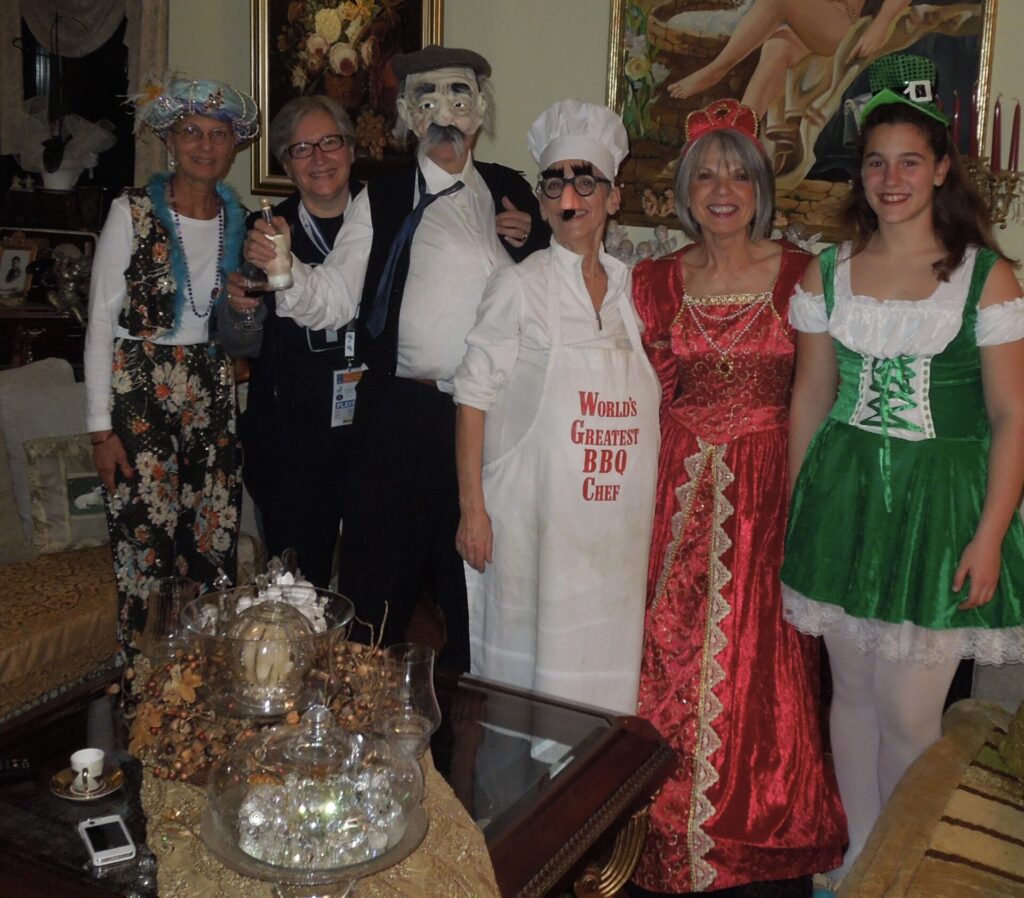
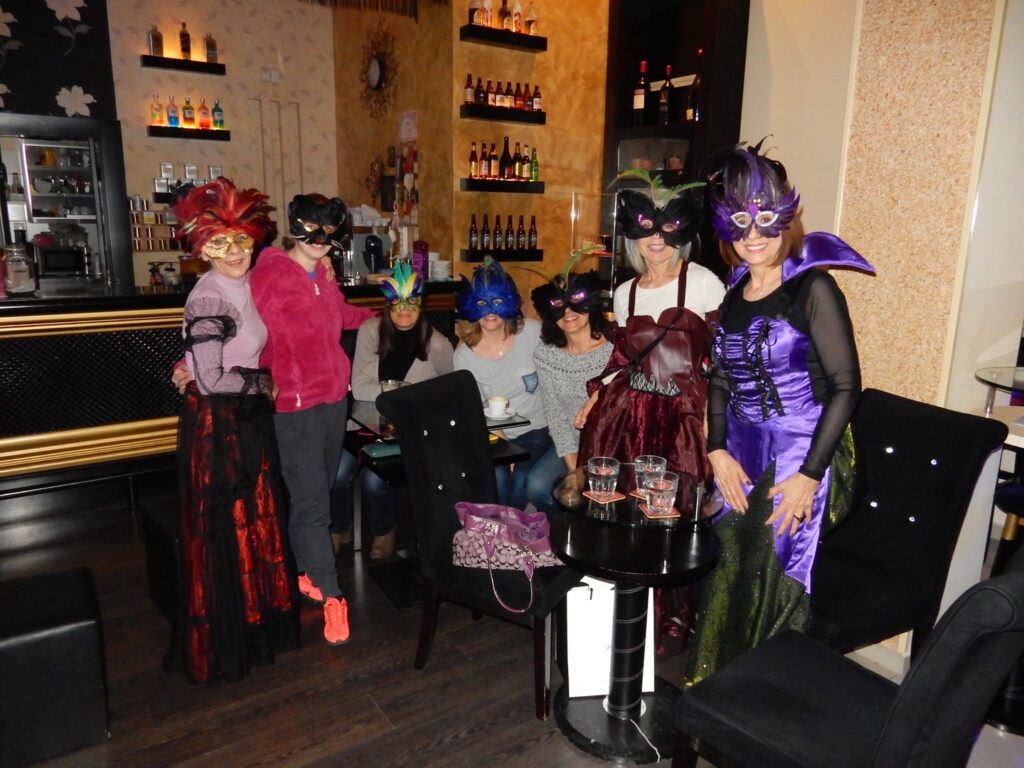 And so began the days of celebration—masquerade parties, parades, music, food, and drink—lasting until Kathara Deftera, or “Clean Monday,” the first day of Lent. For the next 11 days and beyond, the table changes. Meat disappears, replaced by seafood, legumes, fava dip, olives, pickles, breads, and a variety of Lenten dishes that appear in restaurants and homes alike. After the indulgence of Carnavali, the simplicity feels both welcome and meaningful.
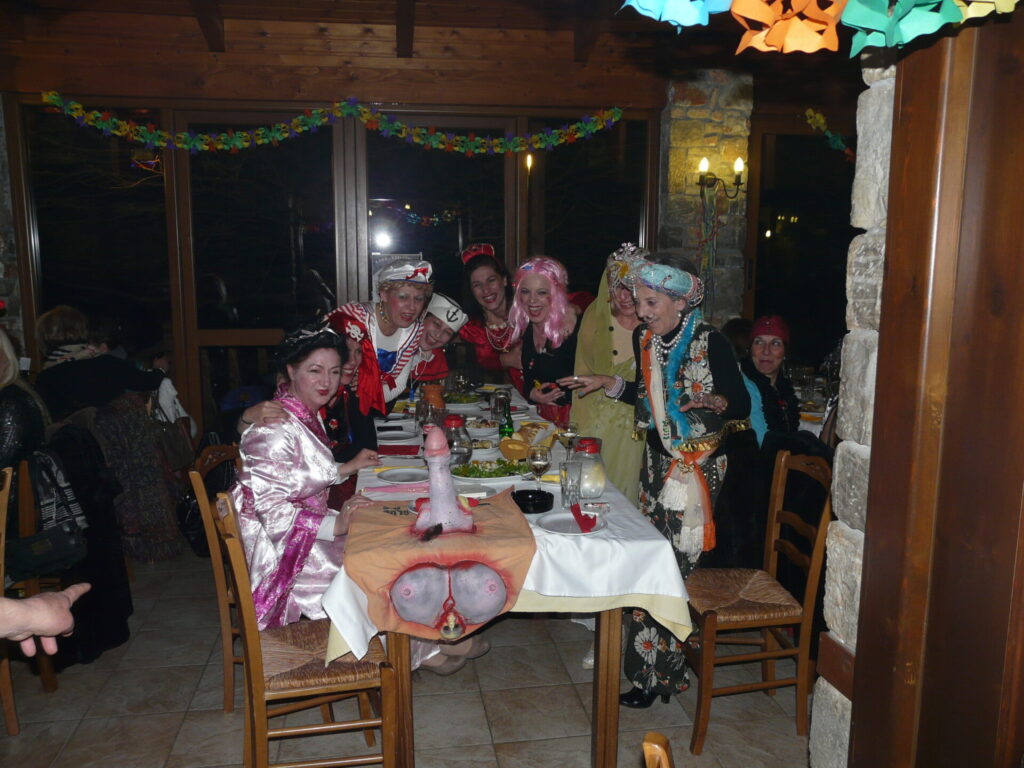
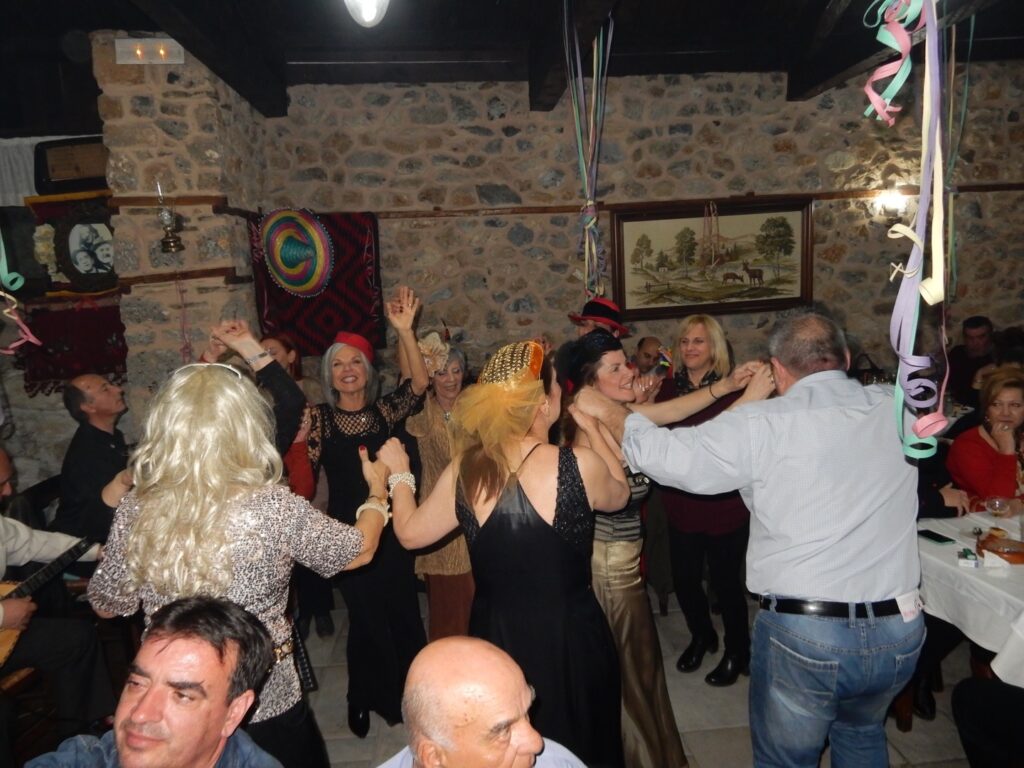
When I think of the entire experience—the food, the costumes, the gatherings, the parades, and the imaginative floats—it pulls at my heartstrings. At the risk of sounding nostalgic, I admit thatI wish I could be in Litochoro visiting my sister and joining in this joyful season. Since I cannot, I am grateful for the Greek Carnavali memories I carry. And I look forward to the photos Lena sends—friends in costume, laughter in the streets, and the familiar sights of celebration continuing without me, yet still very much a part of my heart.
For information about this festive season, click on the link below.
https://www.greeknewsagenda.gr/apokries-the-greek-carnival/